

Common Mistakes First-Time Night Market Vendors Make—and How to Avoid Them
A practical guide to the lighting, permits, cash handling, queue flow and food waste mistakes that trip up first-time night market vendors, with fixes you can apply before the...
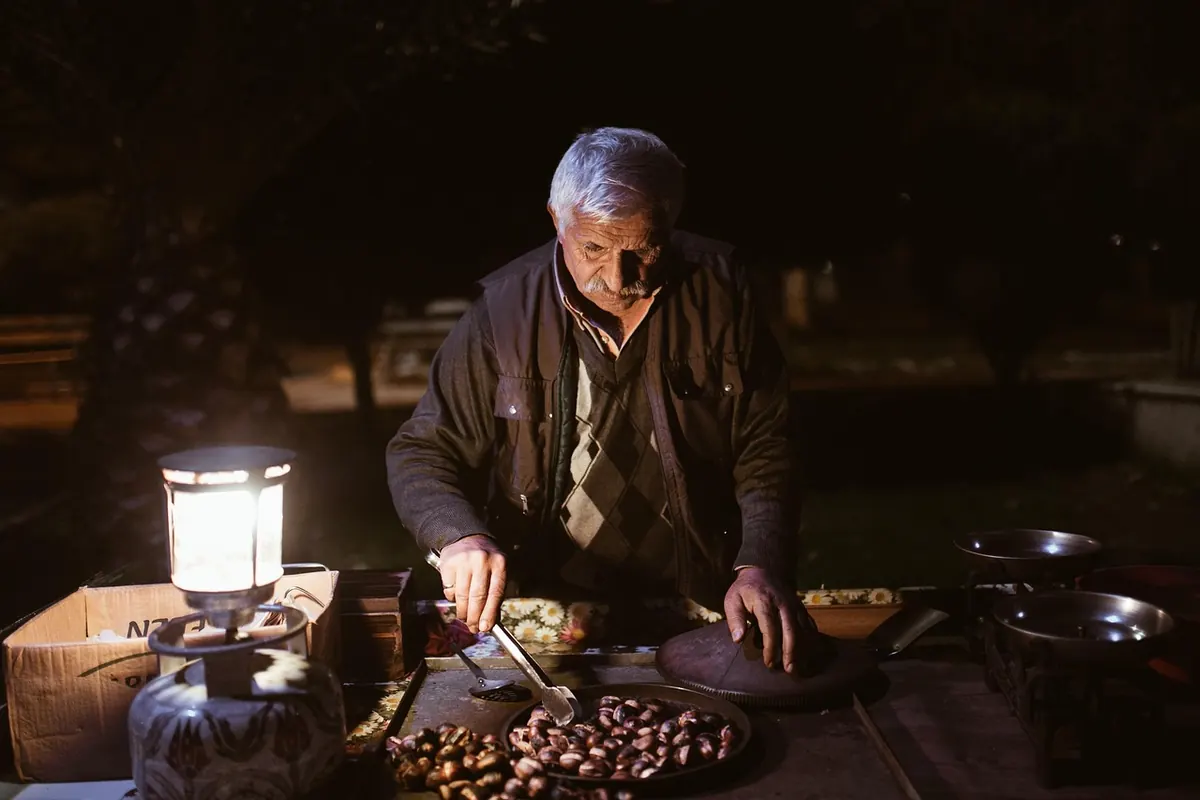
Night markets are forgiving in the way a first rehearsal is forgiving: everyone is slightly out of step and nothing is quite where it should be. Then the gates open, the crowd arrives, and the small oversights you made at four in the afternoon become very public at nine. What sinks most first-time stalls is rarely the food. It is the light that flatters nothing, the queue that knots into the neighbouring pitch, the change you cannot find, and the tray of food you carry home. All of it is fixable, provided you spot it before the first customer does.
Lighting Is Your Storefront, Not an Afterthought
Most new stallholders buy one lamp, hang it wherever the frame allows, and hope. The result is usually one of two problems: too little light, so the food looks grey and the prices are unreadable, or the wrong light, glaring straight into the eyes of anyone trying to order.
Light does two jobs at a night market, and they need different fixtures. The first is to make the stall findable from twenty metres away: a warm glow, a lit sign, a bright edge that separates you from a dark row of tables. The second is to make the food look like something worth queueing for. Cold white light drains colour out of anything cooked. A warm lamp aimed from the front or the side, rather than straight down through steam, does the opposite.
Before your first night
- Light in layers: a general light for the stall, a focused warm lamp on the food, a small light over the till and the price board.
- Angle lamps across the counter, not into customers' faces.
- Test the setup after dark at home, or arrive early enough to see your own stall lit before the crowd appears.
- Tape every cable that crosses a walkway, and keep a spare bulb, a power strip and a roll of gaffer tape in the crate.
- Carry a small torch in your apron pocket. When the neighbouring generator dips at half past ten, you will be glad of it.
A price board nobody can read is a queue that never forms.
The Paperwork You Discover Too Late
Every market has rules, and almost none of them are identical. The mistake is assuming the organiser's application form covers everything you need. Often it covers your pitch and nothing else.
Before you pay for a space, get answers in writing to a short list of questions. What permits does the market hold, and what must you hold yourself? Is food registration, hygiene training or insurance required for your type of stall? What are the rules on generators, gas, fuel storage and open flame? How must waste be disposed of, and are you expected to take it home? Are there restrictions on signage, pricing displays, music or noise after a certain hour? And what happens if you need to cancel?
Keep copies of everything. A paper folder is fine, phone photos are fine, but have both, because the moment you need to prove something you will be standing in the dark with your hands full. Rules vary by city and by market, so confirm the details with the organiser and your local authority, and take professional advice where the answer affects your insurance or your licence.
Cash Handling That Collapses After the First Rush
The first thirty minutes are calm. Then a queue forms, three people want change for a large note, someone's card fails, and your float, which is a single twenty you grabbed on the way out, is useless.
Two structural fixes prevent most of this.
A till position, not a till pocket. Designate one spot at chest height, lit, out of the customer's reach but in yours. Keep the float there and nowhere else. Notes go in, notes come out, and the spot never moves, so your hands learn it. An apron with a separate money pocket works if you are moving around the stall, but never combine it with the pocket that holds your phone and keys.
A float you built on purpose. Small notes and coins in sensible quantity, decided in advance rather than scraped together at the last minute. Round your prices so change stays simple. Top the float up from sales mid-evening, before it runs thin.
Then there is the hygiene point new vendors forget under pressure: handling food and money with the same hand. Wash or sanitise between the two, use tongs for everything, and if a second person can take payment while you serve, the whole stall moves faster.
Two more habits pay off. Keep a simple written tally of large notes as you take them, because in the dark your memory is unreliable. And reconcile the till at close, before you pack, while you can still remember that the last customer paid with a fifty. If you are unsure how your takings need to be recorded for tax, ask an accountant in your country; the rules differ, and guessing is expensive.
Queue Design: Where Good Food Goes to Die
Watch a first-time stall at nine in the evening and you can usually see the problem from the far end of the row: a line that blocks the neighbouring pitch, a menu positioned at the payment point, and a cluster of people at the pickup end who are not sure whether they have already ordered.
None of this is about volume. It is about information. People join a queue when they can see what they are queueing for, what it costs, and roughly how long it will take.
An ordering flow that works
- Menu and prices displayed before the queue starts, not at the till.
- A clear start point: a small sign, a mat, a strip of tape, anything.
- Order and pay at one station, then step aside.
- A separate pickup point, offset to the side so it does not feed back into the line.
- Someone calling names or numbers, and telling the person at the back the honest wait.
Keep the pickup spot lit and keep it clear. If your queue regularly spills into a walkway or blocks another stall, shift your table by half a metre; small geometry changes solve more problems than extra staff do.
A customer told twenty minutes will wait twenty. A customer told nothing will leave, and tell other people why.
Over-Prepping, and the Waste You Pay For Twice
New vendors prep for the crowd they hope for. Experienced ones prep for the crowd that actually turns up, then top up.
The pattern to avoid is cooking everything by 6.30pm so the table looks abundant. By ten, the food has sat under the lamp, quality has dropped, and whatever does not sell goes in the bin. You paid for it twice: once at purchase, once at disposal.
Batch it instead. Bring a first wave that covers the early crowd, keep the rest prepped and cold, and cook in stages through the evening. You get fresher food, less waste and a stall that visibly steams when someone walks past, which sells better than a full table of lukewarm trays.
- Set a par level for each item, a number you decide in advance and adjust after every market.
- Keep a waste log: one line per item, the quantity, and a rough reason. Three markets of that and your prep becomes a calculation rather than a guess.
- Treat selling out as information rather than failure. Note the time it happened and tell people you will be back next week.
Follow local food-safety guidance on cooling, storage and reheating, and ask your local authority if anything is unclear. A market at midnight is not the place to improvise on temperature.
A Five-Minute Debrief Beats a Perfect Plan
Before you pack the car, while the lights are still on, write three things in a notebook: what sold out and when, what went in the bin, and what time the rush hit. Count the till. Note which lamp failed. Then change one thing for the next market, not five.
Your first night does not need to be impressive. It needs to be legible: the stall visible, the prices readable, the change findable, the queue understandable, the cooking accounted for. Get those five right and the crowd has a reason to come back. Everything else is decoration.
Photo: isakarakus / Pixabay